• 3 February 2026
  • 149
5 mistakes when choosing scaffolding that cost money and nerves

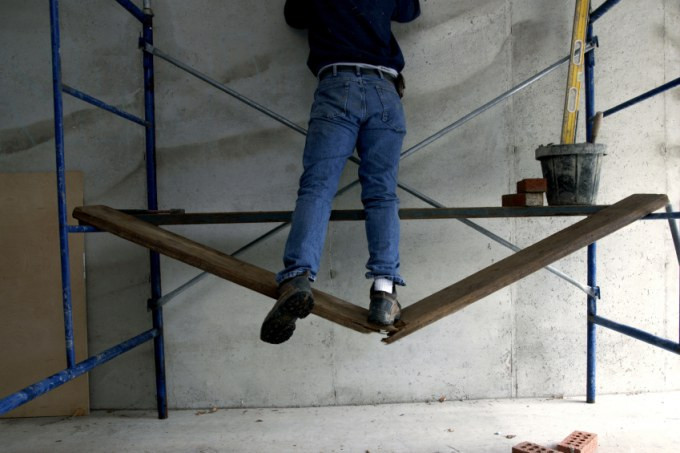
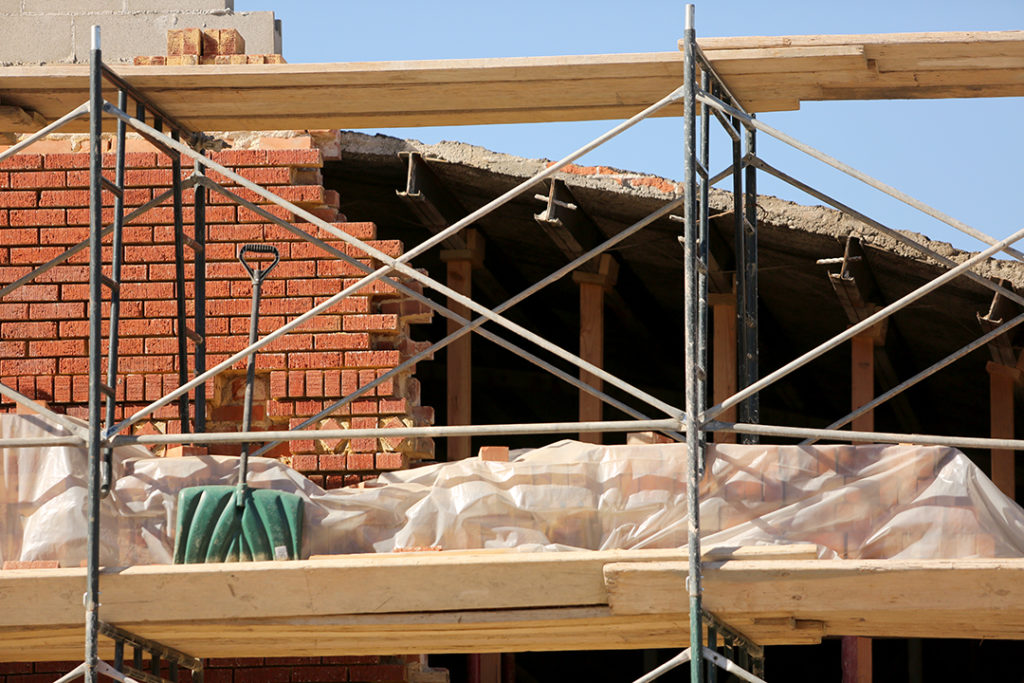
Scaffolding is more than just a "metal construction kit." The safety of people, the speed of work, the project budget, and the avoidance of fines depend on the correct choice of scaffolding. In practice, many customers make common mistakes that become apparent during installation or, worse, during operation.

5 Most Common Mistakes When Selecting Scaffolding

1. Ignoring the Design Load

Scaffolding is selected "by eye" or based solely on price, without considering:

  • the weight of materials on the deck;
  • the number of workers;
  • dynamic overloads (movement, impact, vibration).

Each type of scaffold has a maximum permissible load per square meter of decking:

  • lightweight facade scaffolding: 200 kg/m²;
  • universal or wedge-type scaffolding: 300–450 kg/m²;
  • specialized systems: up to 600 kg/m².

Exceeding these values leads to:

  • sag of the decking;
  • loss of the riser geometry;
  • Overloading of locks and connections.

What does this lead to?

  • Emergency situations
  • Work stoppage and dismantling
  • Staff injuries
  • Additional costs for element replacement

2. Incorrect selection of scaffolding type for specific work
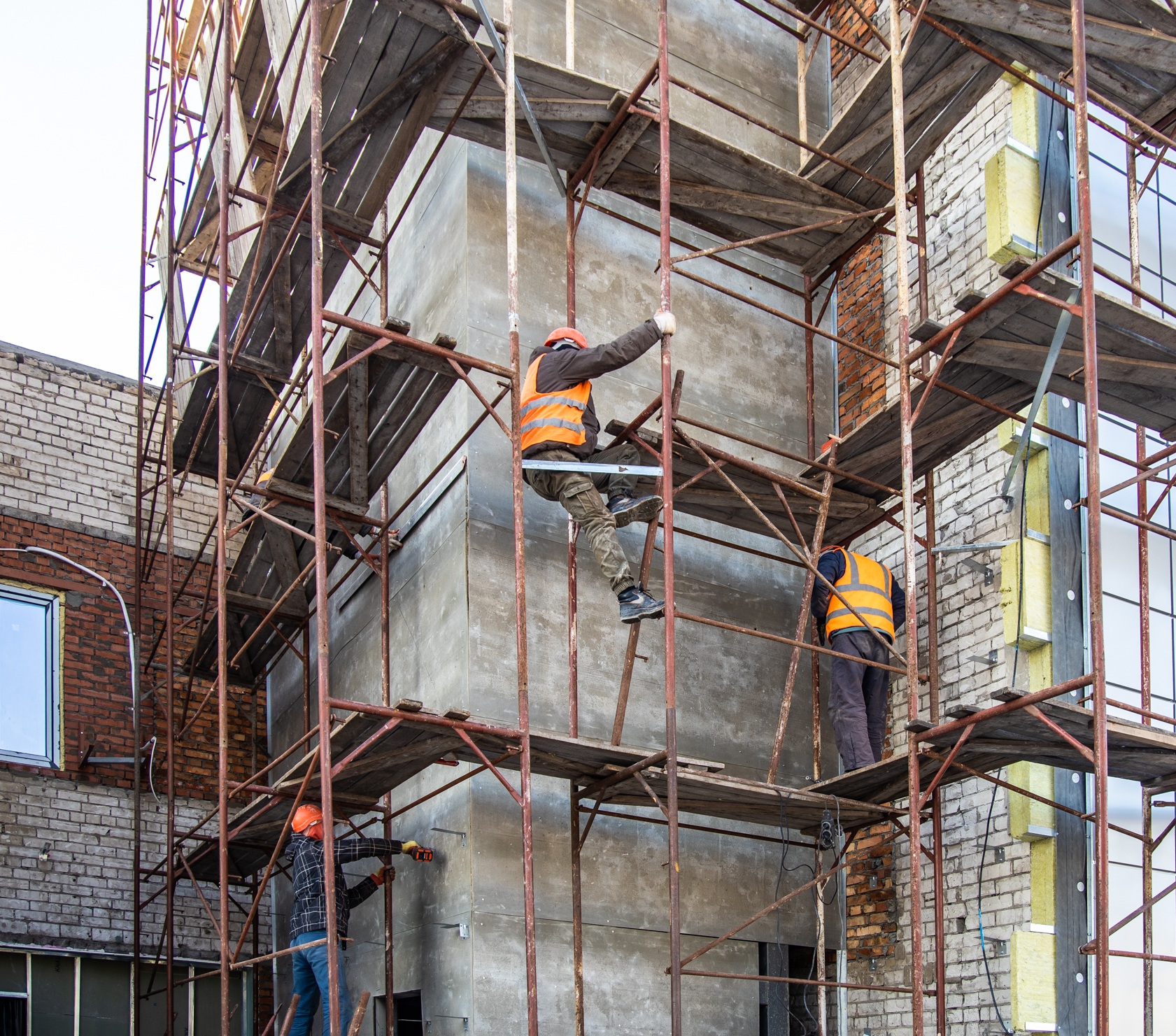
They try to use a single universal type, such as frame scaffolding, for all work, even where it is technically unsuitable.

Different systems have different areas of application:

  • Frame scaffolding - flat facades, standard heights;
  • Wedge scaffolding - complex geometry, heavy loads;
  • Stirrup scaffolding - non-standard objects, curved facades;
  • Scaffold tower - local work, frequent relocation.

Inappropriate scaffolding type leads to:

  • Inability to secure rigid fastening;
  • Violation of dimensional stability;
  • Excessive use of additional elements.

What does this lead to?

  • Excessive component consumption
  • Complex and time-consuming installation
  • Decreased productivity

3. Saving on metal thickness and steel quality
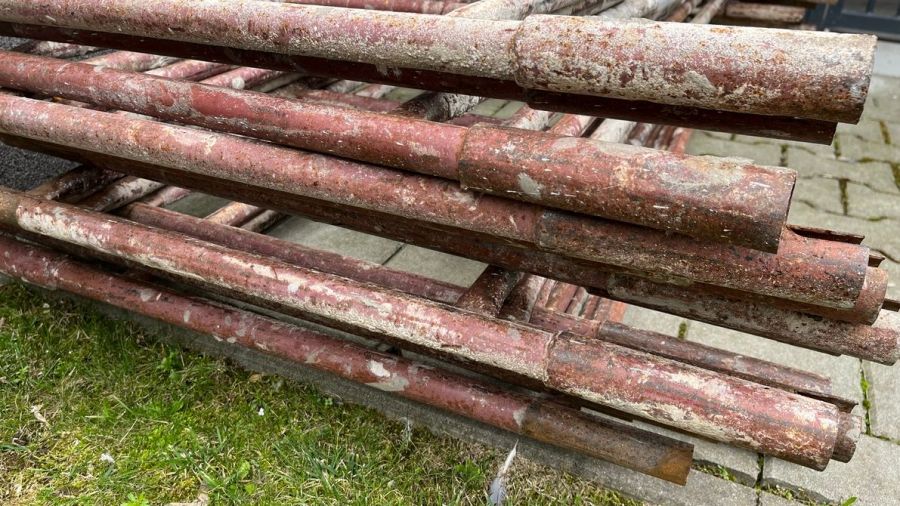
Purchasing scaffolding with a minimum pipe thickness without checking:

  • steel grade;
  • wall thickness;
  • weld quality

Optimal parameters for high-quality scaffolding:

  • Pipe thickness: 1.5–2.0 mm;
  • steel no lower than S235/St3;
  • full, continuous welds.

Thin metal:

  • Deforms more quickly;
  • loses its load-bearing capacity after several installations;
  • does not withstand wind loads.

What's the end result?

  • Scaffolding begins to deform on the first site
  • service life is reduced by 2–3 times
  • repeat purchase instead of saving

4. Failure to calculate the foundation and anchoring
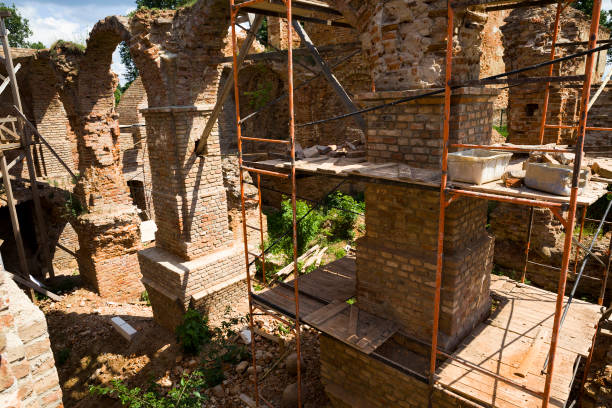
Scaffolding is installed:

  • without supports;
  • on an uneven or weak foundation;
  • without anchoring to the façade.

Scaffolding is a spatial structure that supports:

  • vertical loads;
  • horizontal loads (wind, human movement).

Without anchoring:

  • the overturning moment increases;
  • the load is concentrated in the lower nodes;
  • the overall rigidity of the system is compromised.

Regulatory anchoring is required starting at a height of 4-5 meters.

What are the consequences?

  • structural instability
  • risk of collapse in strong winds
  • operation ban by inspectors

5. Purchasing scaffolding without certification and component compatibility

Mixing components:

  • from different manufacturers;
  • different systems;
  • without data sheets and certificates.

Even minimal deviations:

  • in pipe diameter (±1–2 mm);
  • in lock shape;
  • in frame geometry

lead to:

  • play in the nodes;
  • uneven load distribution;
  • rapid wear of the locks.

What are the consequences?

  • Impossibility of assembling the system without "adjustment"
  • Voided warranty
  • Problems with technical supervision and insurance

Choosing the right scaffolding is an engineering solution, not just a simple purchase of metal. To avoid wasting money and stress, it is necessary to:

  • Calculate loads;
  • Select a system for specific tasks;
  • Avoid skimping on metal quality;
  • Follow installation and anchoring regulations;
  • Buy certified, compatible scaffolding.

Also read our blog "Scaffolding or a mobile tower: which is better for different types of work?"

News subscription